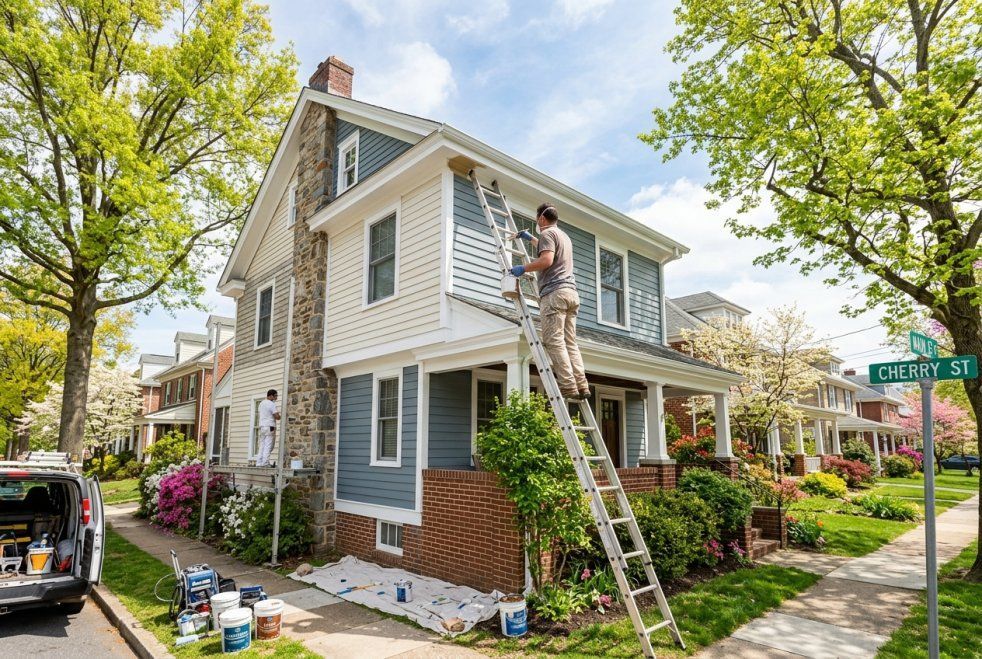
Why Timing Matters More Than You Think Exterior painting is not just about picking the right color. The season you choose has a direct impact on how well the paint adheres, how long it lasts, and how smooth the finished surface looks. In Norristown and across Montgomery County, the climate swings enough throughout the year that timing your project correctly can mean the difference between a finish that lasts a decade and one that starts peeling within a year or two. What Are the Ideal Conditions for Exterior Painting? Most professional-grade exterior paints are formulated to perform best within a specific environmental range. Here is what painters look for before starting a job: Air and surface temperatures between 50 and 85 degrees Fahrenheit Relative humidity below 50 to 60 percent No rain in the forecast for at least 24 to 48 hours after application Surfaces that are dry and free of morning dew or condensation When conditions fall outside these ranges, paint can bubble, streak, or fail to bond properly. That leads to premature peeling and costly re-dos. How Montgomery County's Climate Affects Your Project Norristown sits in southeastern Pennsylvania, where the climate is humid and variable. Winters bring freezing temps that make exterior painting impossible. Summers often push into the upper 80s and 90s with high humidity, which can cause latex paint to dry too quickly and leave lap marks. Spring and early fall are the sweet spots. But spring has a few advantages that make it the preferred season for many experienced painters in this region. Temperatures in April and May regularly fall in the 55 to 75 degree range Humidity tends to be more manageable than in late summer Longer daylight hours allow for more productive workdays Surfaces have had time to dry out after winter moisture exposure The Risks of Painting at the Wrong Time Painting too early in March can be problematic. Overnight temperatures in Montgomery County can still dip below 40 degrees Fahrenheit, which prevents proper curing and can cause the paint film to crack. Painting in peak summer comes with its own challenges. High heat causes paint to skin over on the brush before it can level out, and direct sun on hot siding creates conditions where adhesion suffers. Common problems that result from poor timing include: Blistering or bubbling paint caused by trapped moisture Poor adhesion leading to early peeling Uneven sheen or lap marks from paint drying too fast Color inconsistency across the surface Why Early Spring Scheduling Beats the Summer Rush Most homeowners wait until summer to think about exterior painting. That means contractors are booked out weeks in advance, and the best crews are unavailable by June or July. Scheduling your project in April or May gives you real advantages: More flexible scheduling and faster project start dates Cooler, more stable conditions that support better paint adhesion Your home is protected and looking sharp before summer gatherings You get ahead of any damage that winter weather may have left behind Waiting until August or September also shortens your window before temperatures drop again in the fall, leaving little room if weather delays occur. Signs Your Exterior Is Ready for a Fresh Coat Spring is also a natural time to assess the condition of your home's exterior after winter. Walk around your property and look for these warning signs: Peeling, cracking, or flaking paint on siding, trim, or fascia Fading or chalking that makes the surface look dull or powdery Wood surfaces that feel soft or show signs of moisture damage Caulking around windows and doors that is cracked or pulling away If you notice any of these issues, spring is the right time to act. Addressing them early prevents more serious structural damage down the road. Work With a Local Contractor Who Knows the Region Choosing a painter who understands Montgomery County's climate and seasonal patterns makes a real difference. Commonwealth Painting Authority LLC has the local experience to schedule projects during the right weather windows, prepare surfaces properly, and apply coatings that hold up through Pennsylvania's full range of seasons. We work with premium exterior products designed for humid, variable climates and take the time to prep surfaces correctly so your investment lasts. Schedule Your Spring Exterior Painting Estimate Today Spring books fast in Norristown and the surrounding Montgomery County area. If you are considering an exterior painting project this year, now is the time to get on the schedule before the summer rush takes over. Contact Commonwealth Painting Authority LLC today to request your free estimate. Call us at (610) 424-4900 and let's talk about what your home needs this spring.
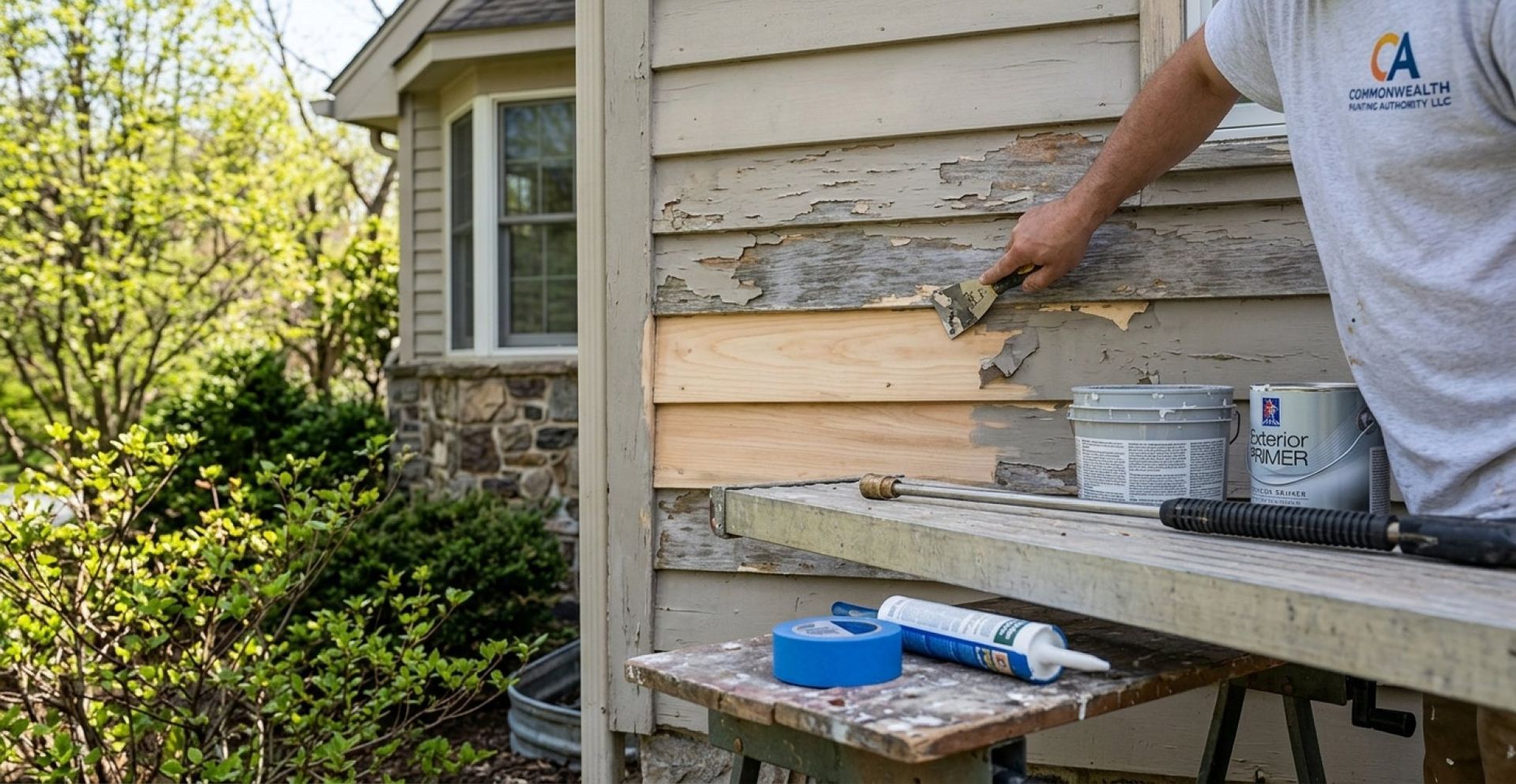
What Winter Does to Your Home's Exterior Winters in Norristown and the surrounding Montgomery County area are tough on painted surfaces. Freeze-thaw cycles, ice, and moisture work together to break down even well-applied paint over time. By the time spring arrives, many homeowners are looking at surfaces that are in worse shape than they realized. The damage tends to show up in a few predictable ways. Peeling or bubbling paint caused by moisture trapped beneath the surface Hairline cracks in siding, trim, or caulk joints that opened up during freezing temperatures Chalking or fading from repeated exposure to ice, snow, and winter UV Wood rot or soft spots where water sat and soaked in over the season Mold and mildew growth in shaded or north-facing areas Skipping past these issues and painting directly over them is one of the most common mistakes homeowners make. It leads to premature failure, usually within a season or two. Why Prep Work Determines How Long Your Paint Job Lasts Paint is only as good as the surface underneath it. A quality exterior coating applied over dirty, cracked, or unstable surfaces will fail early, no matter the brand or price point. Proper preparation removes the barriers to adhesion and gives the new coating a clean, stable foundation to bond to. That is what separates a paint job that lasts three years from one that lasts ten or more. In this region, where humidity in spring and summer follows a harsh winter, getting prep right is especially important. Moisture is the number one enemy of exterior paint, and prep is how you address it before it causes problems. Step 1: Inspect the Surface Carefully Before any work begins, do a thorough walkthrough of your home's exterior. Look closely at siding, trim, window frames, soffits, and any areas where two materials meet. Press on wood surfaces to check for soft spots or rot Run your hand along painted areas to check for chalking or loose paint Look for gaps in caulk around windows, doors, and trim joints Check corners and low-lying areas where water tends to collect Document what you find. Knowing the scope of the damage helps you plan the right repairs before any paint goes on. Step 2: Power Wash the Entire Surface Power washing is not optional. It removes dirt, mildew, chalk, and loose paint that would otherwise prevent proper adhesion. For surfaces showing mold or mildew, a cleaning solution with a mildewcide should be used during the wash. Plain water alone will not kill mildew spores, and painting over active mildew causes it to bleed through and spread under the new coat. After washing, allow the surface to dry completely before moving on. In spring conditions around Norristown, that typically means waiting at least 48 hours, sometimes longer, depending on shade and humidity levels. Step 3: Scrape, Sand, and Repair Once the surface is dry, it is time to address all failing paint and damaged areas by hand. Scrape off all peeling, flaking, or bubbling paint down to a stable layer Sand edges smooth so there are no ridges or lips where new paint could peel Fill cracks in wood or siding with an appropriate exterior filler Replace any caulk that has cracked, pulled away, or lost flexibility Address any wood rot with epoxy filler or replace boards that are beyond repair This step takes time, and it is where many DIY projects fall short. Rushing through scraping and repairs is the most reliable way to end up with a paint job that peels within a year. Step 4: Prime Before You Paint Priming is not just for bare wood. Any area where paint was removed, where repairs were made, or where the surface is porous or stained should receive a coat of primer before the finish coat goes on. For bare wood, a slow-drying alkyd primer provides strong penetration and adhesion. For surfaces with heavy staining or tannin bleed, a stain-blocking primer prevents discoloration from showing through the topcoat. Skipping primer to save time or money almost always costs more in the long run. Primer is what locks everything in and gives the finish coat something solid to grip. Choosing the Right Time to Paint Even after thorough prep, timing matters. Exterior paint should be applied when temperatures are consistently above 50 degrees Fahrenheit, and rain is not expected for at least 24 hours after application. In the Norristown area, late April through early June is often the ideal window. Temperatures are mild, humidity is manageable, and surfaces have had time to dry out from winter moisture. When to Call a Professional Some exterior prep work is straightforward. Other situations, including significant wood rot, extensive peeling across multiple surfaces, or moisture damage that has worked its way into the structure, call for experienced hands. Commonwealth Painting Authority LLC has worked on homes throughout the Norristown and Montgomery County area and understands what Pennsylvania winters do to exterior surfaces. Our process starts with honest assessment and thorough preparation, because we know that is what makes the finish last. If your home's exterior took a beating this past winter, contact Commonwealth Painting Authority LLC today to schedule a free estimate. Call us at (610) 424-4900 and let's talk about what your home needs to look great and stay protected for years to come.
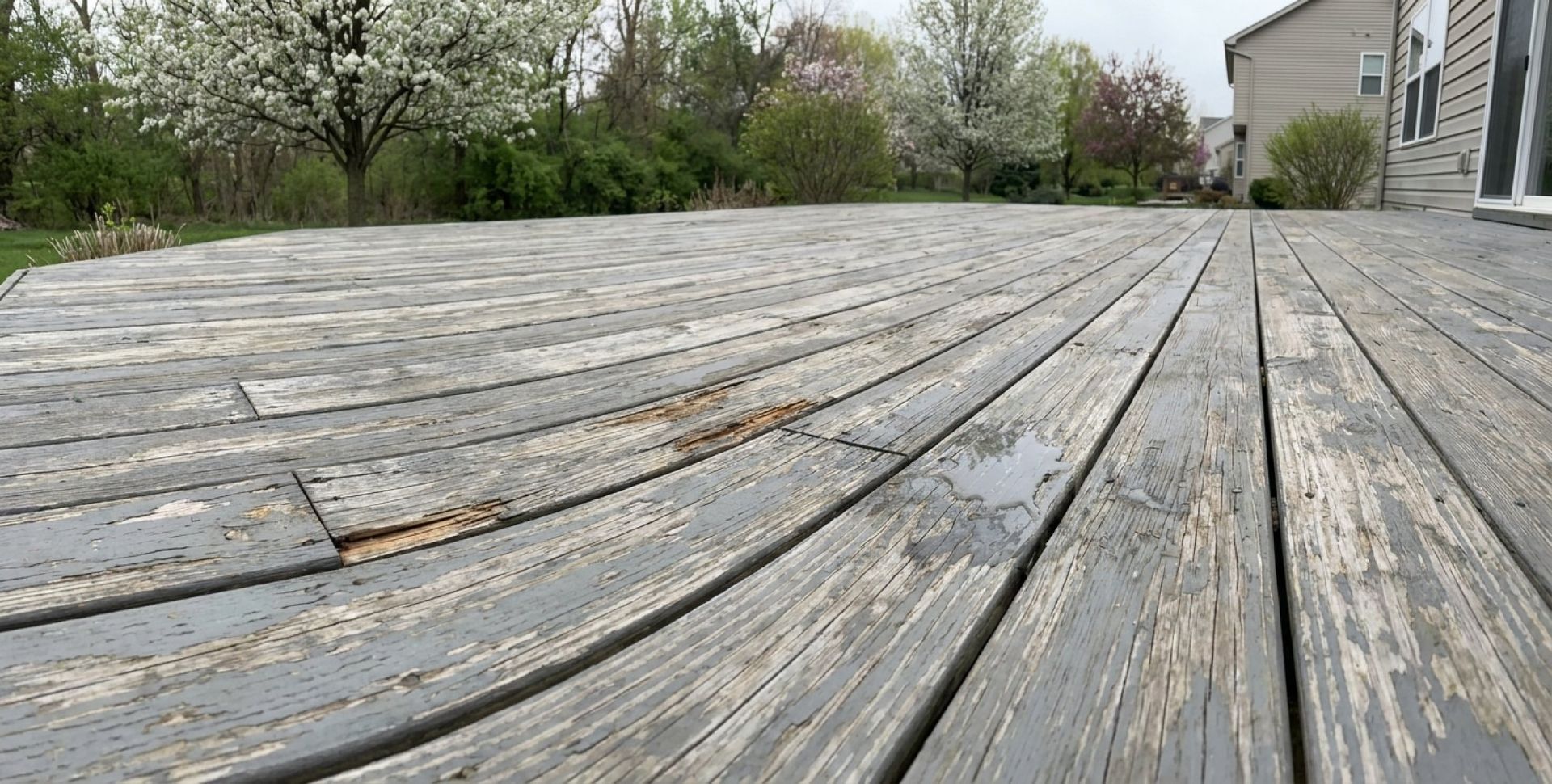
Spring arrives fast in the Norristown area, and before you know it, your deck becomes the center of weekend cookouts, family gatherings, and evening relaxation. But if your deck surface has been through another tough Pennsylvania winter, it may need attention before that heavy use begins. Here are five clear signs it is time to schedule a professional deck staining this spring. 1. The Wood Has Visibly Faded or Turned Gray A healthy stained deck should hold its color from season to season. When you notice the wood looking washed out, silvery, or uneven in tone, that is a sign that the existing stain has broken down, and UV protection is gone. Fading is not just a cosmetic issue. Once the protective coating fails, the wood fibers underneath are exposed to moisture, sun, and temperature swings. Left untreated, this leads to more serious structural damage over time. 2. Water No Longer Beads on the Surface One of the easiest tests you can do right now is pour a small cup of water onto your deck boards. If the water soaks in within a few seconds rather than beading up and rolling off, your stain is no longer doing its job. Water absorption is one of the primary causes of wood rot, warping, and mold growth. In the Norristown area, spring brings frequent rain systems with short dry windows in between, so sealing the wood before that moisture cycle begins is critical. 3. You Notice Splintering or Raised Grain When wood repeatedly absorbs and releases moisture through freeze-thaw cycles, the grain rises, and the surface begins to splinter. This is especially common after a harsh Montgomery County winter. Splintering is uncomfortable underfoot and a sign that the wood cells have been stressed. Staining at this stage, after light sanding to smooth the surface, helps lock in moisture resistance and prevent further deterioration. 4. Peeling, Cracking, or Flaking Stain If your existing stain is visibly peeling or cracking, it has lost adhesion and is no longer protecting the wood beneath it. This often happens when a film-forming stain was applied over a surface that was not properly prepped, or when the product has simply reached the end of its lifespan. Peeling stain traps moisture underneath rather than repelling it Cracked coatings allow water to penetrate directly into the wood grain Flaking creates an uneven surface that worsens with each rain cycle A professional will strip or sand the failing material before applying a fresh coat, ensuring proper adhesion and a longer-lasting result. 5. It Has Been Three or More Years Since the Last Application Even if your deck looks decent on the surface, the stain does not last forever. Most quality deck stains need to be refreshed every two to three years, depending on sun exposure, foot traffic, and the product used. Waiting too long means you are often dealing with more prep work and more damage to correct. Staying on a regular maintenance schedule is far more cost-effective than letting the wood deteriorate to the point of needing board replacement. Why Spring Timing Matters in the Norristown Area Deck staining requires dry conditions to cure properly. In southeastern Pennsylvania, spring weather moves in waves, with rain systems followed by stretches of dry, mild days. Those windows are ideal for staining because temperatures are moderate and humidity is manageable. Stain should be applied when temperatures are between 50 and 90 degrees Fahrenheit The surface and air need to stay dry for at least 24 to 48 hours after application Applying too early in wet or cold conditions leads to poor adhesion and premature failure Booking your project early in the season means you get ahead of the rush and your deck is ready before summer use peaks. What to Do Next If your deck is showing one or more of these signs, do not wait until the damage gets worse. A proper deck staining project includes cleaning, light sanding or stripping as needed, and applying a quality penetrating stain that protects from the inside out. Commonwealth Painting Authority LLC serves homeowners throughout Norristown, PA, and the surrounding Montgomery County area with professional deck staining and exterior wood finishing. Our team understands the local climate and knows how to time projects around the weather to get the best possible results. Call (610) 424-4900 today to schedule your free estimate and get your deck ready for the season ahead.
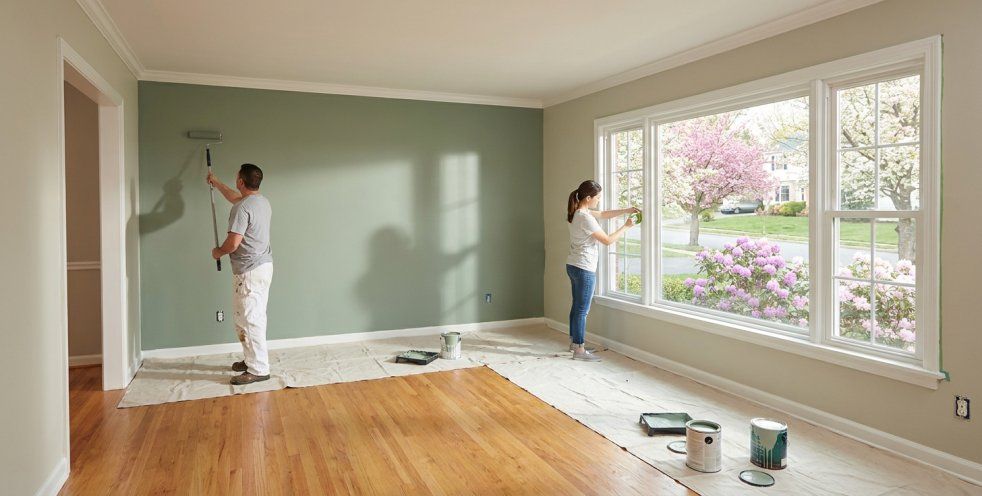
Why Spring Is the Best Time to Paint Indoors in Pennsylvania Spring in the Norristown area brings mild temperatures, lower humidity, and the ability to crack windows open for ventilation. These conditions are ideal for interior painting because paint cures faster, odors clear out quickly, and finishes dry more evenly. Pennsylvania summers bring heat and humidity that can slow drying times and affect how paint adheres to surfaces. Getting your interior projects done in April or May means better results and a more comfortable process for everyone in the home. The Problem With Waiting Until Summer Summer schedules fill up fast. Family vacations, outdoor projects, and contractor backlogs all compete for the same window of time. Homeowners who wait often find themselves pushing interior updates to fall, or skipping them entirely. Booking your painting project in spring means you get priority scheduling, better working conditions, and a refreshed home ready to enjoy all season long. Top Interior Rooms to Update Before Summer Living Rooms and Common Areas The living room takes more daily wear than almost any other space in the home. Scuffs, faded paint, and outdated colors are easy to overlook until you start noticing them constantly. A fresh coat in a modern neutral or updated accent color can completely change how the room feels. Spring is a great time to repaint because furniture can be moved to a garage or patio temporarily without the discomfort of working around cold weather. Kitchens Kitchen walls absorb grease, moisture, and cooking odors over time. Paint in this room tends to dull and yellow faster than in other areas. Repainting with a washable, durable finish gives you a clean surface that stands up to everyday use. Open windows during and after the project help ventilate the space and speed up curing. This is much easier to manage in spring than in the middle of a humid Pennsylvania summer. Bedrooms Bedrooms are lower-traffic rooms, but they still benefit from a refresh every several years. Color trends shift, and a bedroom painted in a calming, updated tone can genuinely improve how restful the space feels. With kids out of school soon, spring is the last window to repaint bedrooms with minimal disruption to daily routines. Cabinet Painting: A High-Impact Spring Project Kitchen cabinet painting is one of the most requested interior updates, and for good reason. New cabinet finishes can transform an outdated kitchen for a fraction of the cost of a full renovation. This type of project requires careful prep, proper priming, and the right products to ensure a finish that holds up to daily use. Spring humidity levels in the Norristown area are low enough that paint cures properly without the tackiness that summer moisture can cause. Cabinets are cleaned, de-glossed, and primed before any finish coat is applied Brush and spray techniques are used depending on the cabinet style Durable alkyd or waterborne alkyd finishes provide a hard, washable surface Color choices range from classic whites and grays to bold two-tone combinations If your cabinets are structurally sound but visually tired, painting them is a smart investment before the summer entertaining season begins. Warning Signs Your Interior Walls Need Attention Now Not every paint job is purely cosmetic. Some signs indicate it is time to repaint before conditions get worse. Paint that is peeling, bubbling, or cracking near windows or exterior walls Visible stains from water intrusion that have since been repaired Chalky or powdery surfaces that no longer clean well Colors that have faded unevenly from sunlight exposure Walls that look dingy even after cleaning Addressing these issues in the spring prevents them from worsening over a hot, humid summer and gives your home a clean foundation going into the warmer months. What to Expect From a Professional Interior Painting Project A professional crew handles surface prep, patching, priming, and finish coats with the right tools and products for each surface type. Furniture and floors are protected throughout the project, and cleanup is included before the final walkthrough. The result is a smooth, consistent finish that DIY painting rarely achieves, especially on ceilings, trim, and cabinets, where prep work makes the biggest difference. Schedule Your Spring Painting Project Today Commonwealth Painting Authority LLC serves homeowners throughout the Norristown, PA area and surrounding Montgomery County communities. Spring booking slots fill up quickly, so the sooner you reach out, the better your chances of getting your preferred start date. Call (610) 424-4900 to schedule a free estimate and get your interior painting project on the calendar before summer arrives.
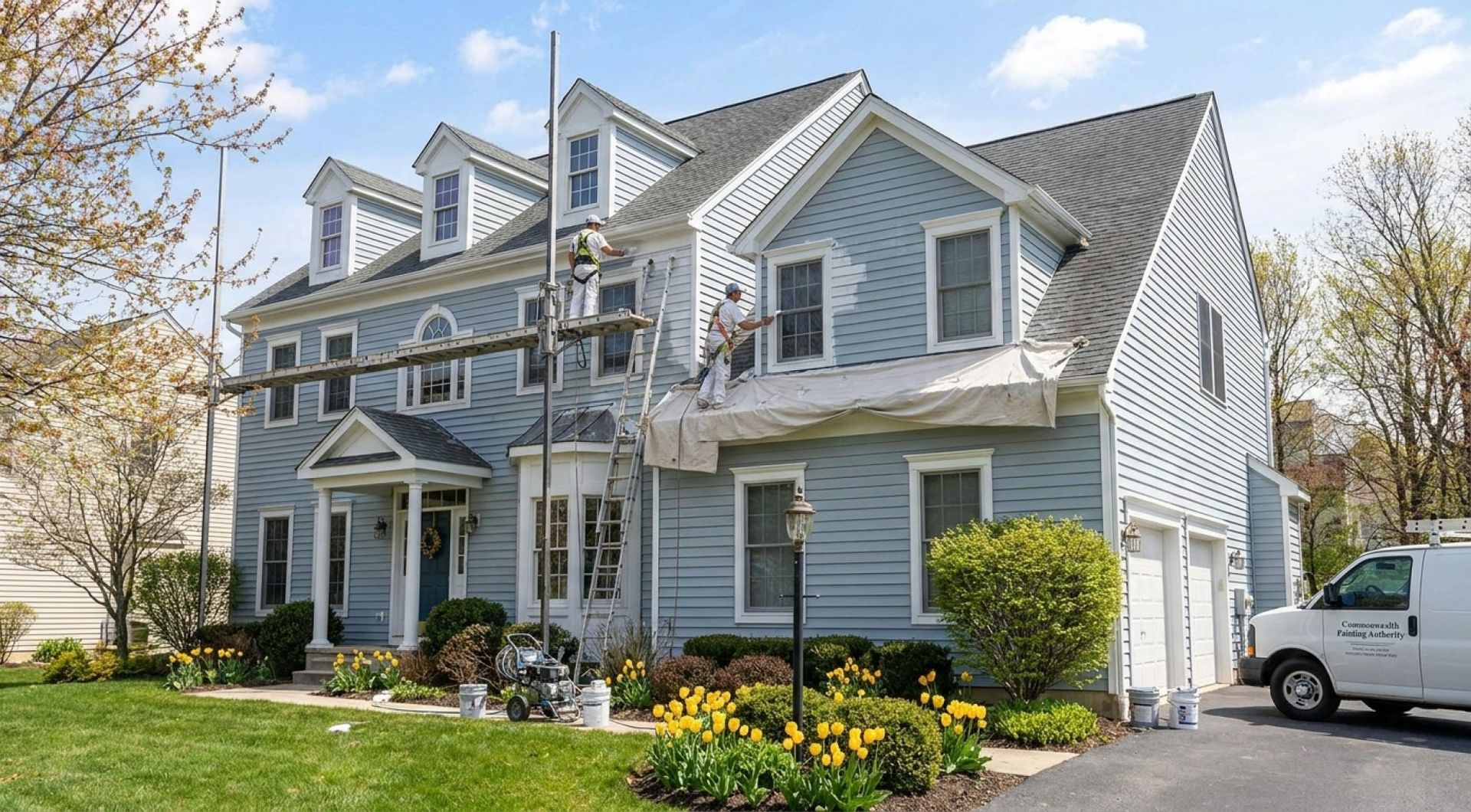
Spring in Norristown: A Window of Opportunity Norristown winters are tough on homes. Freezing temperatures, ice, and moisture work their way into siding, trim, and caulk all season long. By the time March and April arrive, your home's exterior has taken a beating and is ready for attention. Spring gives you a short but ideal window to address that damage before summer heat and humidity arrive. Acting now protects your home and keeps small problems from turning into expensive repairs. Why Spring Temperatures Are Ideal for Exterior Paint Exterior paint needs the right conditions to bond properly and cure fully. Most quality exterior paints require surface temperatures between 50 and 85 degrees Fahrenheit during application and for several hours after. Norristown's spring months typically deliver exactly that. Days are mild, nights stay above freezing, and humidity levels are manageable before the summer mugginess sets in. Painting in extreme heat or cold leads to bubbling, poor adhesion, and premature peeling. Ideal air temperature: 50 to 85 degrees F Surface temperature should not exceed 90 degrees F Avoid painting in direct midday sun during warmer days Low humidity allows paint to dry evenly and thoroughly Signs Your Siding or Trim Needs Repainting Now Not sure if your home is ready for a fresh coat? Walk around the perimeter and look for these warning signs. Catching them early saves money and prevents structural damage. Peeling, cracking, or bubbling paint on siding or trim Faded or chalky surfaces that look dull and worn Gaps or cracks in caulking around windows, doors, and trim Bare wood exposed to the elements Staining, mildew streaks, or dark discoloration on siding Trim boards that feel soft or spongy to the touch Any one of these signs is a reason to act. Multiple signs together mean the situation is urgent. Exposed wood and failed caulk allow moisture inside, which leads to rot, mold, and structural issues that go far beyond a paint job. Preventing Winter Damage from Getting Worse Pennsylvania winters create a freeze-thaw cycle that is particularly hard on painted surfaces. Water gets into small cracks, freezes and expands, then thaws and contracts repeatedly. This process widens gaps and lifts paint away from the surface. If you wait until fall to address this damage, you give moisture the entire summer to work deeper into your siding and wood trim. Spring painting stops that cycle before it compounds. It is one of the most cost-effective things a Norristown homeowner can do to protect their property. Boost Curb Appeal Before Summer Arrives Summer is when your home gets the most attention. Neighbors are outside, guests visit, and real estate activity picks up across Montgomery County. A freshly painted exterior makes a strong first impression and adds real market value. Completing your exterior paint project in spring means you enjoy the results all summer long. Waiting until August means working around the heat and potentially pushing the job into fall, when shorter days and dropping temperatures create new challenges. The Exterior Prep Process: What Good Painting Actually Requires A quality exterior paint job is about far more than applying color. The preparation work is what determines how long the finish lasts. Skipping steps leads to early failure, no matter how good the paint is. Here is what a thorough exterior prep process looks like: Power washing to remove dirt, mildew, and chalky residue Scraping and sanding all loose or peeling paint down to a stable surface Spot priming bare wood and repaired areas with an appropriate primer Re-caulking all gaps around windows, doors, trim, and penetrations Replacing or repairing any rotted or severely damaged wood before painting Allow all surfaces to dry completely before applying finish coats Caulking deserves special attention. Old, cracked caulk is one of the leading causes of moisture intrusion in Norristown homes. Fresh caulk, applied correctly, seals your home against water and air infiltration and extends the life of the paint significantly. Why Hire a Professional Instead of DIY Exterior painting looks straightforward, but the prep work, product selection, and application technique make a real difference in how long the results last. A professional crew works efficiently, uses commercial-grade materials, and knows how to handle the specific challenges that come with older homes in the Norristown area. At Commonwealth Painting Authority LLC, we take a thorough approach to every exterior project, from the first inspection through the final coat. We use premium products suited to Pennsylvania's climate and stand behind the work we deliver. Get a Free Estimate Before the Spring Rush Spring is the busiest season for exterior painting in the region, and scheduling fills up fast. The best way to secure your preferred dates and get your home protected before summer is to reach out now. Contact Commonwealth Painting Authority LLC today to schedule your free exterior painting estimate. Call us at (610) 424-4900 and let's talk about what your home needs this spring.
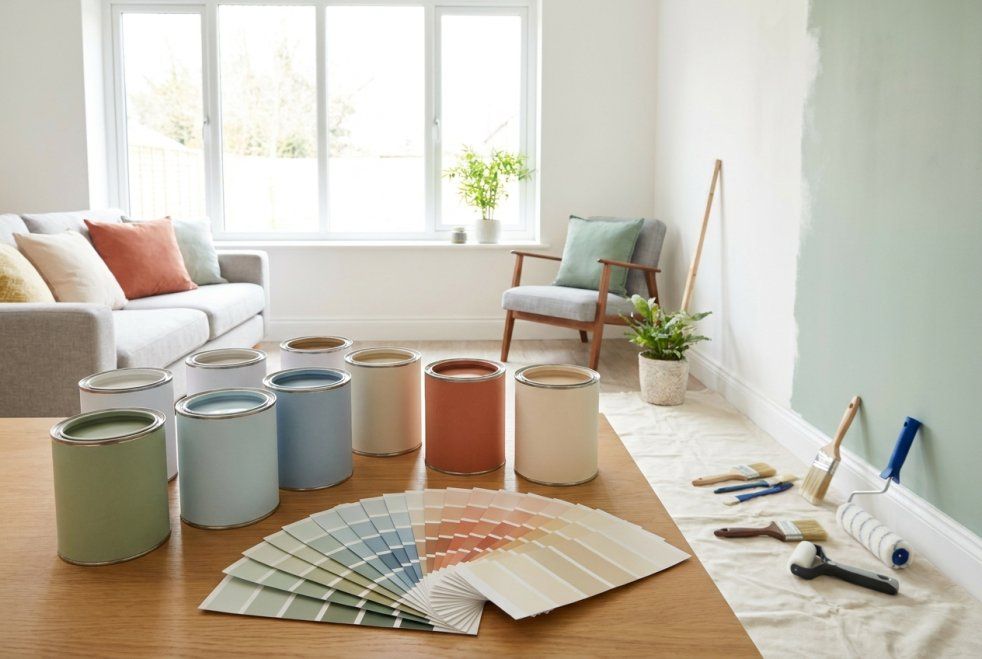
Spring Is the Perfect Time to Refresh Your Interior After months of gray Pennsylvania winters, homeowners across Norristown and Montgomery County are ready for a change. Spring brings longer days and more natural light, which makes it the ideal season to repaint your interior walls. The right color can completely transform how a room feels. Whether you want something calm and grounding or bright and energizing, this spring has a palette for every style. Trending Neutral and Earthy Tones for 2025 Neutral and earthy tones continue to dominate interior design this year. These shades work beautifully in Pennsylvania homes where natural light varies by season and room orientation. Warm whites and creamy off-whites (think Sherwin-Williams Alabaster or Benjamin Moore White Dove) Soft taupes and warm colors that work in both traditional and modern spaces Terracotta and clay tones that bring warmth without overpowering a room Sage green and muted olive shades that feel organic and calming Sandy beiges and warm putty tones that pair well with wood accents These colors hold up well year-round in our region, complementing both the bright spring light and the cozier fall and winter months ahead. Brightening Your Home After a Long Winter Norristown winters can feel long and dim. Dark or outdated wall colors absorb light and make interiors feel heavier than they need to. Switching to a lighter, warmer neutral can instantly open up a space. Rooms that face north or receive limited sunlight benefit especially from soft warm whites and pale earthy tones rather than cool grays, which can read flat and cold in low light. If you are not ready to go fully light, consider painting one accent wall in a warmer tone to add depth without darkening the whole room. Color Psychology for Living Rooms and Kitchens Color affects mood more than most people realize. Choosing the right shade for the right room makes a real difference in how you experience your home every day. Living Rooms Living rooms benefit from colors that encourage relaxation and conversation. Warm neutrals, soft sage greens, and dusty blues create a calm, welcoming atmosphere without feeling sterile. Warm greige tones promote comfort and are easy to decorate around Muted green shades connect the indoors to nature, which feels especially refreshing in spring Soft terracotta adds personality and warmth without feeling bold or trendy Kitchens Kitchens are high-activity spaces, so color choices here should feel energizing but not chaotic. Crisp whites and warm creams remain timeless, while soft yellows and light clay tones are gaining popularity this season. Warm white cabinets with a slightly deeper wall color add dimension Pale sage or soft mint on lower cabinets brings a fresh, modern look Sandy or linen tones on walls pair well with wood countertops and natural finishes How to Choose the Right Color for Your Home Picking a paint color from a small chip at the hardware store rarely gives you the full picture. Colors look different depending on your lighting, flooring, furniture, and the size of the room. Here are a few practical steps to make a confident decision: Test large swatches (at least 12 by 12 inches) on your actual walls before committing Observe the color at different times of day, including morning, afternoon, and evening, under artificial light Consider the undertones in your flooring and trim before selecting a wall color Think about the flow between rooms, especially in open floor plans, where colors are visible together If you are feeling stuck or overwhelmed by options, that is completely normal. There are thousands of shades available, and the wrong choice can cost you time and money. The Value of a Professional Interior Painting Consultation A professional color consultation takes the guesswork out of the process. An experienced painting contractor can evaluate your space, lighting, and existing finishes to recommend colors that will actually work in your home. Commonwealth Painting Authority LLC offers interior painting consultations for homeowners throughout the Norristown area. Our team understands how regional light conditions and home styles in Montgomery County affect color choices, and we help you make decisions with confidence before a single drop of paint is applied. Beyond color selection, professional interior painting ensures clean lines, proper surface preparation, and a durable finish that holds up over time. It is not just about the color you choose but how it is applied. Ready to Update Your Interior This Spring? Spring is short, and the best time to schedule interior painting is before your calendar fills up. Whether you want to refresh one room or repaint your entire home, Commonwealth Painting Authority LLC is here to help you get it done right. Call us today at (610) 424-4900 to schedule your interior painting consultation or request a free estimate. Let this spring be the season your home finally looks the way you want it to.
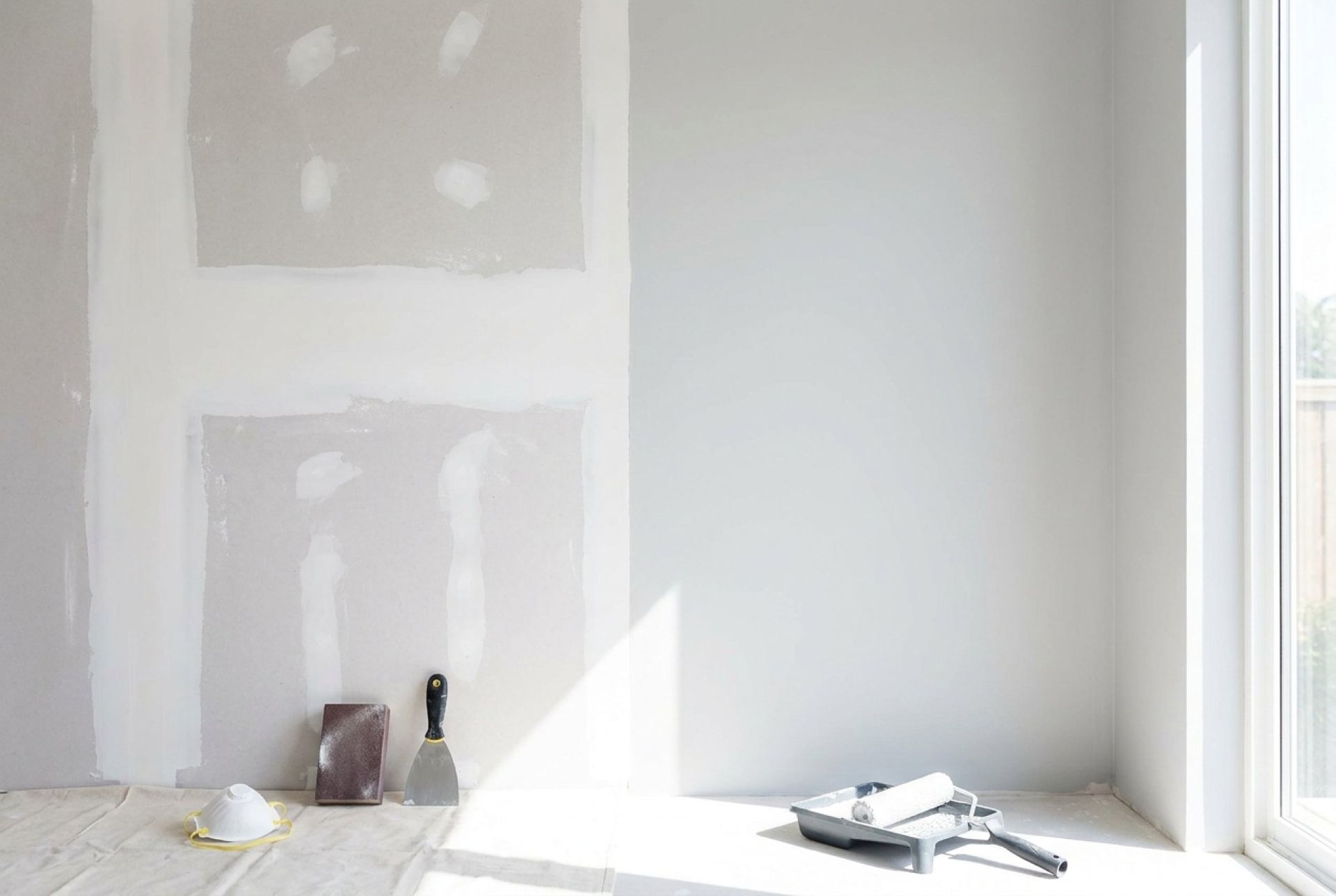
The Secret Behind a Flawless Paint Job Most homeowners focus on color selection when planning a paint project. But the real difference between a paint job that looks average and one that looks professionally done comes down to what happens before the first coat is ever applied. Drywall repair is the foundation of a great finish. Skip it, and even the most expensive paint will highlight every flaw on your walls. Why Prep Work Matters More Than You Think Paint does not hide surface problems. It actually magnifies them, especially in rooms with natural light or angled fixtures. Bumps, cracks, and uneven patches become more visible once a fresh coat goes on. Professional prep work ensures the surface is smooth, sealed, and ready to accept paint evenly. This is what separates a lasting, quality finish from one that looks worn within a year. Common Drywall Problems We See in Norristown Homes Homes throughout Norristown and the greater Montgomery County area deal with specific wall issues due to the region's climate. Freeze-thaw cycles, humidity in older homes, and seasonal temperature swings all take a toll on interior walls over time. Here are the most common drywall issues we repair before painting: Nail pops and screw holes from settling and temperature shifts Hairline cracks along seams, corners, and ceilings Water stains and soft spots from roof leaks or plumbing issues Dents and gouges from everyday wear and furniture contact Tape bubbling or separating at drywall joints Each of these problems requires a different repair approach. Treating them all the same way leads to uneven results. Nail Holes and Cracks: Small Problems, Big Impact A single nail hole might seem minor, but walls often have dozens of them scattered across multiple rooms. When left unfilled, they create small shadows and texture inconsistencies that show clearly under paint. Cracks along drywall seams are a sign of movement in the structure. Simply painting over them will not hold. The crack needs to be cleaned out, filled with joint compound, and feathered smooth before any coating is applied. Water Damage Repairs Require Extra Steps Water-damaged drywall is one of the trickier repairs in painting prep. Even after the source of moisture is fixed, staining and soft drywall remain. Painting directly over a water stain almost always results in bleed-through, where the stain reappears through the new paint. The correct process includes: Confirming the moisture source is fully resolved Cutting out and replacing any soft or crumbling drywall Applying a stain-blocking primer before any finish coat Feathering the surrounding compound to blend the repaired area seamlessly Skipping any of these steps leads to visible patches and recurring stain bleed-through. Achieving a Smooth Wall Finish After repairs are made, the surface needs to be sanded and feathered so that the repaired areas blend into the surrounding wall. This takes patience and skill. Rushed sanding leaves ridges and uneven edges that show through paint. For older homes with textured walls, matching the existing texture is an additional step that requires experience. A mismatched texture patch is just as noticeable as an unfilled hole. Why Priming Repaired Drywall Is Non-Negotiable Repaired drywall absorbs paint differently than the surrounding surface. If you apply finish paint directly over a patch, the repaired area will look dull or flat compared to the rest of the wall. This is called flashing, and it is one of the most common signs of an unprofessional paint job. Priming repaired areas accomplishes several things: Seals the porous compound so paint absorbs evenly Improves adhesion for the finish coat Blocks stains from bleeding through on water-damaged areas Creates a consistent surface sheen across the entire wall At Commonwealth Painting Authority LLC, we never skip the priming step. It is what makes the final coat look uniform and professional. Before and After: What Proper Repair Actually Looks Like Consider a living room in an older Norristown home. Before repairs, the walls show nail pops near the ceiling, a hairline crack running along the window trim, and a faded water stain from an old roof leak. The paint is peeling slightly in one corner. After professional drywall repair and priming, every imperfection is gone. The surface is flat, consistent, and smooth. Once the finish coat is applied, the walls look crisp and clean, with no shadows, bumps, or discoloration. That transformation is not just about paint color. It is entirely the result of thorough prep work done right. Ready for Walls That Look Their Best? Whether you have a single room with a few nail holes or an entire home with years of wear and water damage, Commonwealth Painting Authority LLC handles the full process from repair to final coat. We serve homeowners and businesses throughout Norristown, Montgomery County, and the surrounding communities. Call us today at (610) 424-4900 to schedule your free estimate and find out what professional prep work can do for your space.